Awareness
Protecting Biodiversity, Sustaining Life: World Nature Conservation Day 2026
Dr. Inoka Piyasinghe
Published on Tue, 07/28/2026 - 18:26
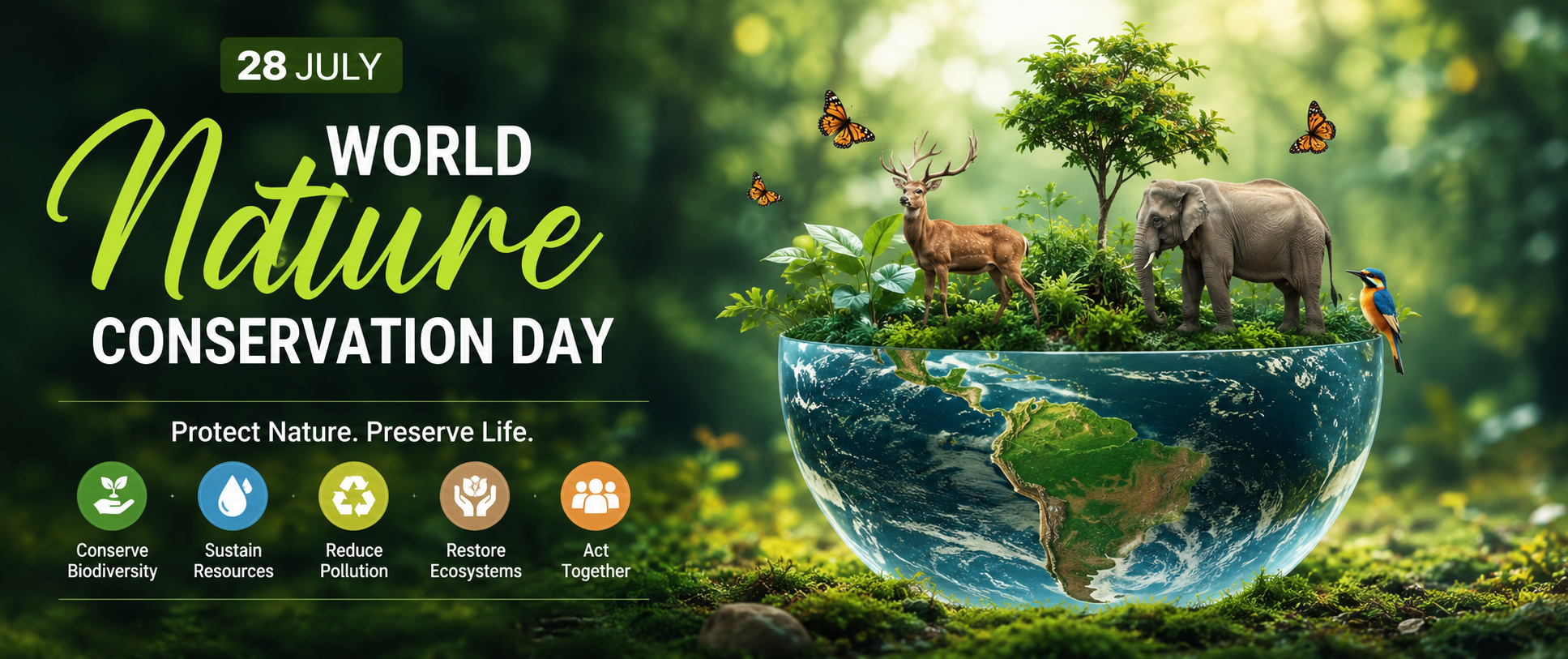
World Nature Conservation Day 2026
NIFS, Sri Lanka | 28 July 2026
With more than 49,500 species threatened with extinction worldwide, World Nature Conservation Day reminds us that science, conservation, and collective action are essential to securing a sustainable future.
World Nature Conservation Day is observed annually on 28 July to raise awareness of the importance of conserving natural resources and protecting biodiversity for future generations. The observance highlights the need for sustainable management of ecosystems and encourages individuals, communities, and organizations to take action in safeguarding the environment.
According to the latest IUCN Red List of Threatened Species™ (Version 2026-1), 175,909 species have been assessed globally, of which 49,505 species are threatened with extinction. This represents approximately 28% of all assessed species, highlighting the unprecedented challenges facing global biodiversity. Among the most threatened groups are cycads, with 71% of assessed species facing extinction, followed by reef-building corals (44%), amphibians (41%), sharks and rays (38%), conifers (34%), selected crustaceans (28%), mammals (26%), reptiles (21%), and birds (11%). These alarming trends are driven by habitat loss, climate change, pollution, invasive alien species, overexploitation of natural resources, and other human-induced pressures.
Global conservation efforts in 2026 continue to prioritize biodiversity conservation, ecosystem restoration, climate resilience through nature-based solutions, pollution reduction, and the achievement of the 30×30 Global Biodiversity Target, which aims to conserve at least 30% of the world's terrestrial, inland water, coastal, and marine areas by 2030.
World Nature Conservation Day also reminds us that protecting nature extends beyond conserving wildlife. Sustainable use of natural resources, ecosystem restoration, responsible waste management, and the transition towards a circular economy all contribute to maintaining ecological balance and supporting sustainable development.
The National Institute of Fundamental Studies (NIFS) joins the global community in recognizing World Nature Conservation Day and encourages everyone to adopt environmentally responsible practices, including reducing plastic waste, conserving water, planting native species, recycling electronic waste responsibly, and supporting biodiversity conservation initiatives.
Every action counts. By working together to protect biodiversity and restore ecosystems, we can help secure a healthier, more resilient, and sustainable planet for future generations.